
led backlit bathroom mirror
Understanding Piston Check Valves Design, Function, and Applications Piston check valves are crucial components in fluid control systems, serving as one-way valves that prevent backflow and ensure proper fluid flow direction. Employed in various industrial applications, these valves utilize a piston mechanism to achieve reliable operation. Design and Mechanism The design of a piston check valve primarily consists of a housing, a piston, and a seat. When fluid flows in the intended direction, it moves the piston, allowing the valve to open. The piston is typically spring-loaded, ensuring it returns to the closed position when flow ceases or reverses. This unique design minimizes the chances of leakage and enhances the valve's response time, making it ideal for high-pressure applications. The materials used in the construction of piston check valves also play a vital role in their performance and longevity. Common materials include brass, stainless steel, and plastic, which offer varying degrees of corrosion resistance and structural integrity. The choice of material often depends on the nature of the fluid being controlled and the environmental conditions the valve will face. Advantages of Piston Check Valves One significant advantage of piston check valves is their ability to handle high flow rates without generating excessive turbulence or pressure drops. This characteristic is essential in systems where maintaining pressure and flow consistency is crucial . Additionally, the piston mechanism allows for quick response times, making these valves suitable for dynamic applications like hydraulic systems. piston check valve Another benefit is the compact design of piston check valves, which allows them to be installed in space-restricted areas without compromising functionality. Compared to traditional swing check valves, piston check valves offer a more direct flow path and can be oriented in either horizontal or vertical configurations, enhancing their versatility in various systems. Applications Piston check valves are ubiquitous in numerous industries, including oil and gas, water treatment, and manufacturing. In the oil and gas sector, they prevent backflow in pipelines, ensuring the safe transport of crude oil and natural gas. In water treatment plants, these valves help manage the direction of water flow, protecting against contamination and preserving system integrity. In manufacturing, piston check valves are critical in hydraulic systems. They ensure that the hydraulic fluid flows efficiently, allowing machinery to operate smoothly without unexpected interruptions. Their reliability and robustness make them a preferred choice for many engineers and system designers. Conclusion In conclusion, piston check valves are essential components in a wide range of applications that require efficient and reliable fluid control. Their innovative design, coupled with the ability to handle high flow rates and pressures, makes them indispensable in many industrial processes. As technology advances, the development of piston check valves continues to evolve, promising even greater efficiency and reliability for future applications. Understanding their design and functionality is crucial for engineers and technicians aiming to optimize fluid system performance.
about
led backlit bathroom mirror
Understanding Gauge Pin Class A Comprehensive Overview In the world of manufacturing and precision engineering, the importance of accurate measurements cannot be overstated. One crucial tool that assists in achieving these precise measurements is the gauge pin. Specifically, the gauge pin class is a concept that plays a significant role in ensuring the effectiveness and reliability of these measuring instruments. What is a Gauge Pin? A gauge pin is a precision tool used for measuring the size of holes, checking the alignment of parts, and verifying dimensions within manufacturing processes. They come in various diameters and are typically made from hardened steel or carbide to withstand wear and tear, ensuring longevity and accuracy. The use of gauge pins is critical in quality control and assurance functions, where they are utilized to test the conformity of manufactured components. The Significance of Gauge Pin Class Gauge pins are categorized into classes based on their tolerances and applications, which is what we refer to as the gauge pin class. This classification system helps manufacturers select the appropriate gauge pin for a specific measurement task, ensuring that the tools align with the necessary precision requirements. 1. Tolerance Levels Different classes of gauge pins have specific tolerance levels that dictate how much deviation from the nominal size is permissible. The tighter the tolerance, the more precise the gauge pin must be, which is particularly important in industries such as aerospace, automotive, and medical device manufacturing, where precision is paramount. 2. Applications Each gauge pin class has its designated applications . For instance, a higher class pin may be used in tasks that necessitate tighter tolerances, while a lower class might suffice for less critical applications. Understanding the appropriate gauge pin class ensures that engineers and technicians use the right tool for the job, minimizing the risk of errors. Choosing the Right Gauge Pin Class gauge pin class When selecting a gauge pin, several factors must be considered - Measurement Requirements Determine the degree of precision required for the specific application. If the tolerances are strict, a high-precision gauge pin is essential. - Material Compatibility The material of the gauge pin must be compatible with the components being measured to prevent wear or damage. For high-volume production, using more durable materials can reduce replacement costs in the long run. - Environmental Considerations Gauge pins used in harsh environments must be able to withstand potential corrosive elements. In such cases, the material and coating of the pins become critical to prolong their life and maintain measurement integrity. Maintenance of Gauge Pins To ensure that gauge pins retain their accuracy over time, maintenance practices must be implemented. This includes - Regular Calibration Gauge pins should undergo periodic calibration to confirm their precision. This can be done using master gauges that provide a reference standard for measurement. - Cleaning and Inspection After use, gauge pins should be cleaned to remove any debris or contaminants. Regular inspections for wear, chips, or deformation are necessary to identify any issues that could impact measurement accuracy. - Proper Storage Gauge pins should be stored in protective cases to prevent damage. Keeping them away from humidity and extreme temperatures can also help maintain their precision. Conclusion In the realm of precision measurement, gauge pins serve as indispensable tools that ensure product quality and compliance with stringent engineering standards. Understanding gauge pin class, its significance, and how to choose and maintain these tools can significantly enhance measurement accuracy and reliability in manufacturing processes. As industries continue to evolve and the demand for precision increases, the proper application of gauge pin classes will remain a vital aspect of engineering and quality assurance.
-

High quality industrial productsagement

High quality industrial products
View Details -

Meet the diverse needs of customers

Meet the diverse needs of customers
View Details -

Strict quality control

Strict quality control
View Details -

Top raw materials

Top raw materials
View Details -

Trusted supplier

Trusted supplier
View Details
Our application

news and information
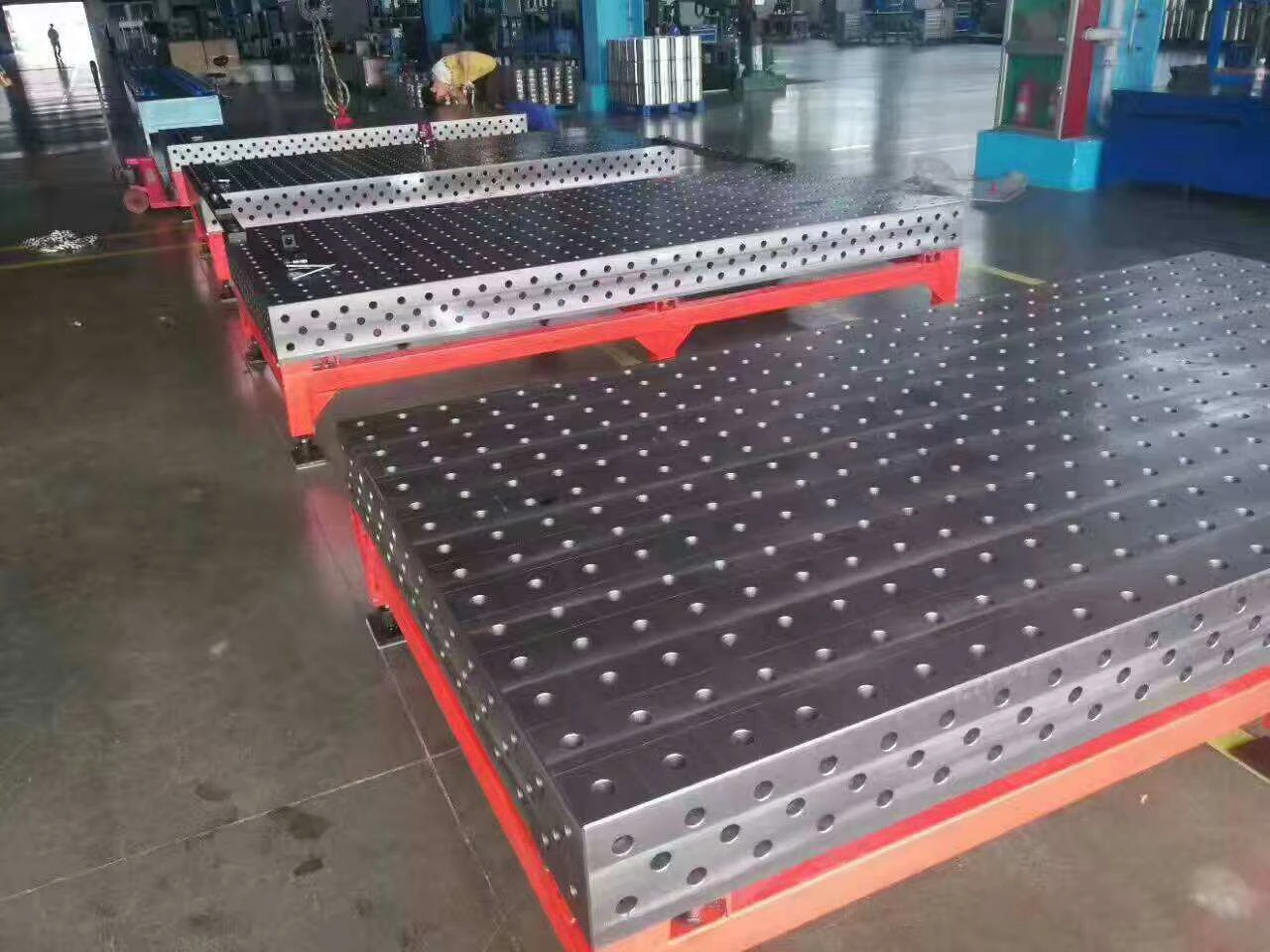
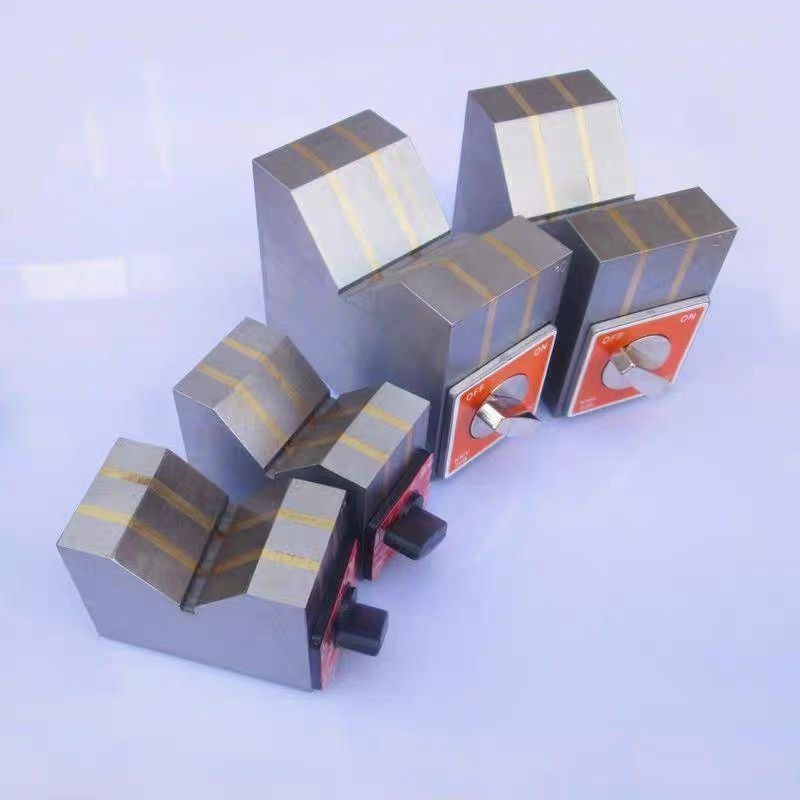
v block design
Exploring the V-Block Design A Revolutionary Approach in Architecture In the ever-evolving landscape
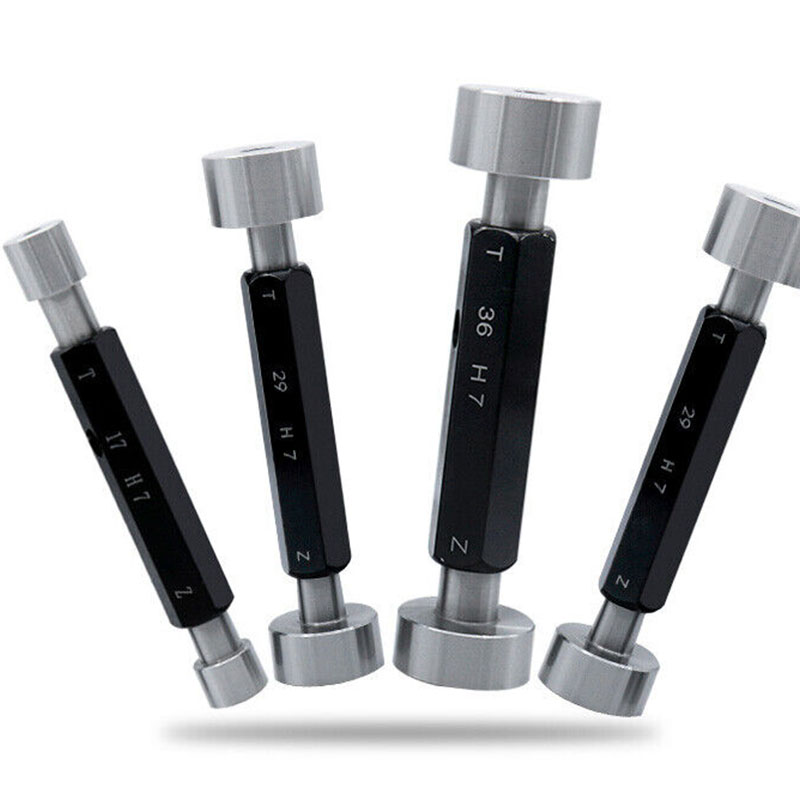
Y Type Strainer Valve for Efficient Fluid Filtration and Flow Control Solutions
Understanding Y-Type Strainer Valves A Comprehensive Overview In the realm of fluid mechanics and pi
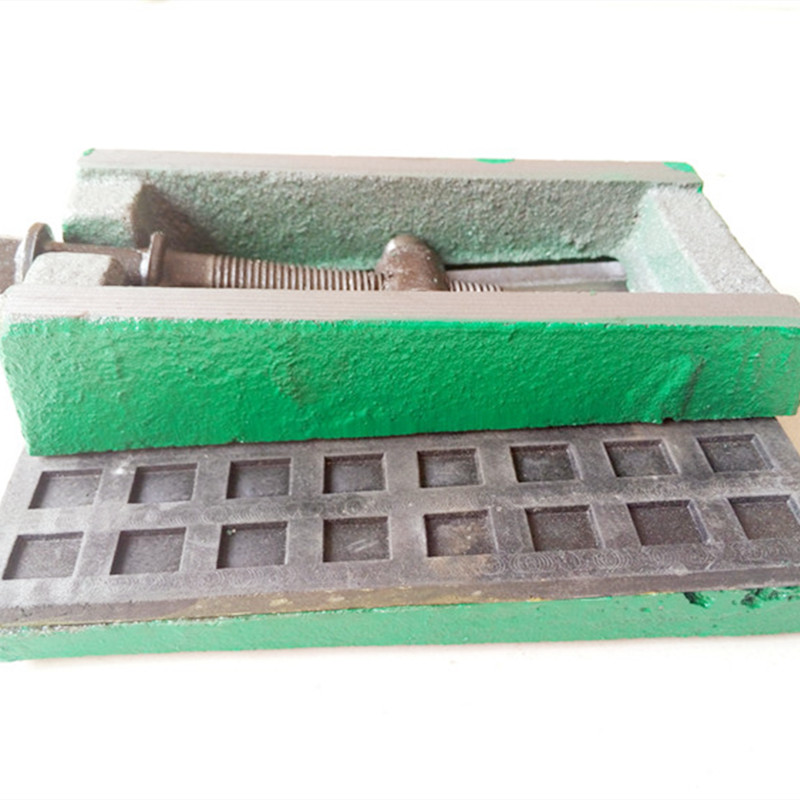
V-Block Technology Revolutionizing Manufacturing Precision and Efficiency
The Paradox of V Block V Block Navigating the Dual Realities of Virtual and Physical Worlds In the
 English